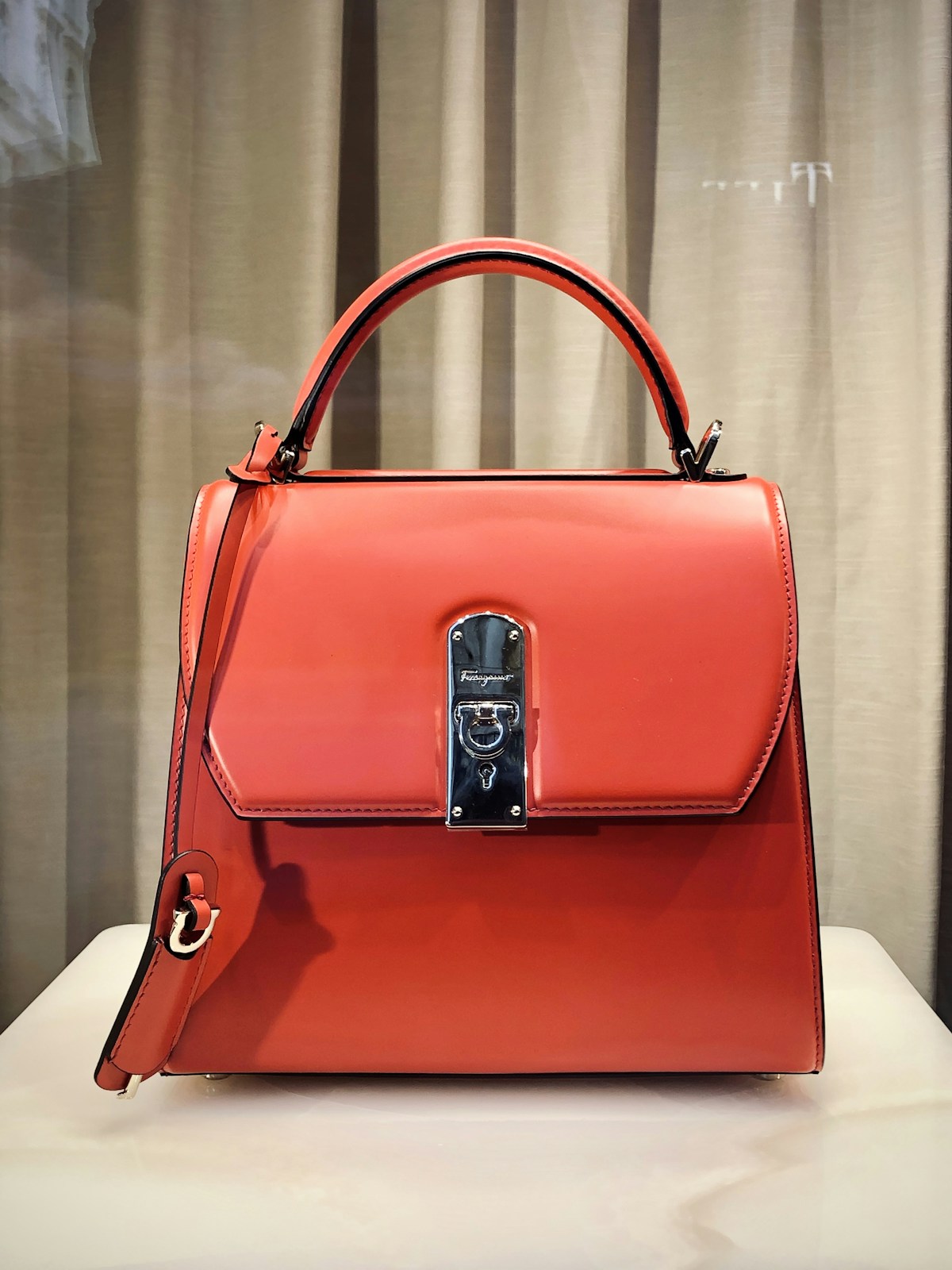
Let's clear up the foundational myth first: there is no official waitlist at Hermès. None of their boutiques maintain one. Any Hermès sales associate who uses the word "waitlist" is either new, or managing your expectations downward.
What exists instead is something more interesting, more opaque, and — once you understand it — considerably more navigable: a relationship system built around client history, boutique allocation quotas, and the taste and discretion of individual sales associates, called SAs.
Here is how that system actually works in 2026, told without the Instagram mystique.
The Economics at the Boutique Level
Each Hermès boutique receives an annual allocation of quota bags — Birkins, Kellys, Constance, Lindy, Picotin Lock, and a handful of others. "Quota" is the operative word: the Paris flagship might receive materially more than a second-tier European boutique, but no boutique receives enough to satisfy walk-in demand.
This creates a scarcity the boutique manages through relationship. Your SA's job is to allocate limited quota bags to the clients who are most valuable to the boutique — where "valuable" is defined across several dimensions, of which spending is only the most obvious.
The Birkin is not a product sold to customers. It is a reward offered to clients.
The Four Variables Your SA Is Weighing
When deciding whether to offer you a quota bag, your SA is evaluating four variables in roughly this order:
1. Spending history. Yes, it matters. No, it is not the simple "1:1 ratio" Reddit threads describe. What actually matters is the composition of your spending — whether it demonstrates genuine engagement with the maison across categories. $30,000 spent on ready-to-wear, silk, shoes, fine jewelry, and home is meaningfully more persuasive than $30,000 spent on pochettes and scarves.
2. Depth of relationship. Are you a repeat client of a specific SA? Have you asked thoughtful questions, attended events, expressed curiosity about the craft? SAs work on partial commission and build careers around client loyalty. They prioritize clients who recognize them as people, not as inventory gatekeepers.
3. Discretion. This one is underappreciated. Hermès corporate strongly discourages the kind of ostentatious social media posting that has become common around quota bag receipt. An SA who suspects you will immediately post your Himalaya on Instagram is meaningfully less likely to offer it to you than one who trusts you to wear it privately.
4. Stability. Boutiques are risk-averse about offering rare pieces (exotic skins, special orders, Himalaya) to clients with short relationship history. A three-year relationship with documented purchases builds trust. A burst of spending over three months does not.
The Practical Playbook
For anyone seriously pursuing a first Birkin or Kelly, our curators advise a 12-to-24-month strategy built around four stages.
Stage 1 · Establish Boutique (Months 1-3)
Choose a single boutique. Not two. Not "whichever I happen to be in." SAs cross-reference client profiles across their system, and distributed purchasing is read as exactly what it is: someone shopping for a quota bag.
Go in person. Speak to the greeter. Ask to be introduced to an SA — ideally by name, if you've done research on who's known to take new clients. Make small first purchases: a silk scarf, a pair of Oran sandals, a leather notebook, a fragrance. The goal is to open a client file, not to impress.
Stage 2 · Build Breadth (Months 3-9)
Spread purchases across at least four or five categories. Home (candles, blankets, towels). Ready-to-wear (even one or two well-chosen pieces). Small leather goods (wallets, card cases, bearns). Fine jewelry. Shoes.
This is not about quantity — a well-selected cashmere throw at $2,500 is more persuasive than five $500 pochettes. Diversity signals genuine engagement.
Stage 3 · Express Your Thesis (Months 9-15)
Once you've built relationship and spending history, begin naturally expressing what you'd love to own. Not "I want a Himalaya 25 with white gold hardware." That's a buyer at a grocery store.
Instead: "I've been drawn to the matte finish of Niloticus for some time. I love the warmth of Togo for daily use. I'm still learning how to think about Epsom versus Clemence." Your SA is listening for taste, not for shopping lists.
Stage 4 · Be Patient with the Offer (Months 15-24+)
When the offer comes, it will likely not be exactly what you imagined. The first Birkin offer from a patient relationship is typically a 30 or 35 in Togo, Clemence, or Epsom, in a versatile colorway (Etain, Noir, Gold, Bleu Indigo). Accept it with genuine gratitude.
The Himalaya, the exotic, the 25 in rose Sakura — those are third- or fourth-bag conversations. Trying to negotiate them on a first offer will reset your client file to zero.
A Note on Secondary Market
For those without the patience or the spending profile for primary market, the secondary market is now operationally excellent. Specialist resellers — the kind we link to in our Vintage Handbags vertical — offer authentication, condition documentation, and full provenance chains for pieces that might otherwise take five years to acquire through a boutique.
The premium is real: a Birkin 25 Himalaya retails at approximately $87,000 through Hermès; the secondary market trades them at $385,000-$450,000. But for collectors who value the piece over the pursuit, the math often works.
The Deeper Truth
The clients who acquire the most extraordinary Birkins — the Himalayas, the exotic quota bags, the special-order horseshoe-stamped pieces — are almost without exception clients who stopped chasing them years ago and simply became good clients. The pursuit creates a dynamic that SAs are trained to de-prioritize; the relationship creates a dynamic where quota bags appear, over time, as rewards for patience.
That's the unwritten rule. And it's the one the Instagram guides never quite capture.
For clients seeking immediate acquisition of specific Hermès pieces, our concierge team works with authenticated secondary-market partners globally. Submit a private enquiry →